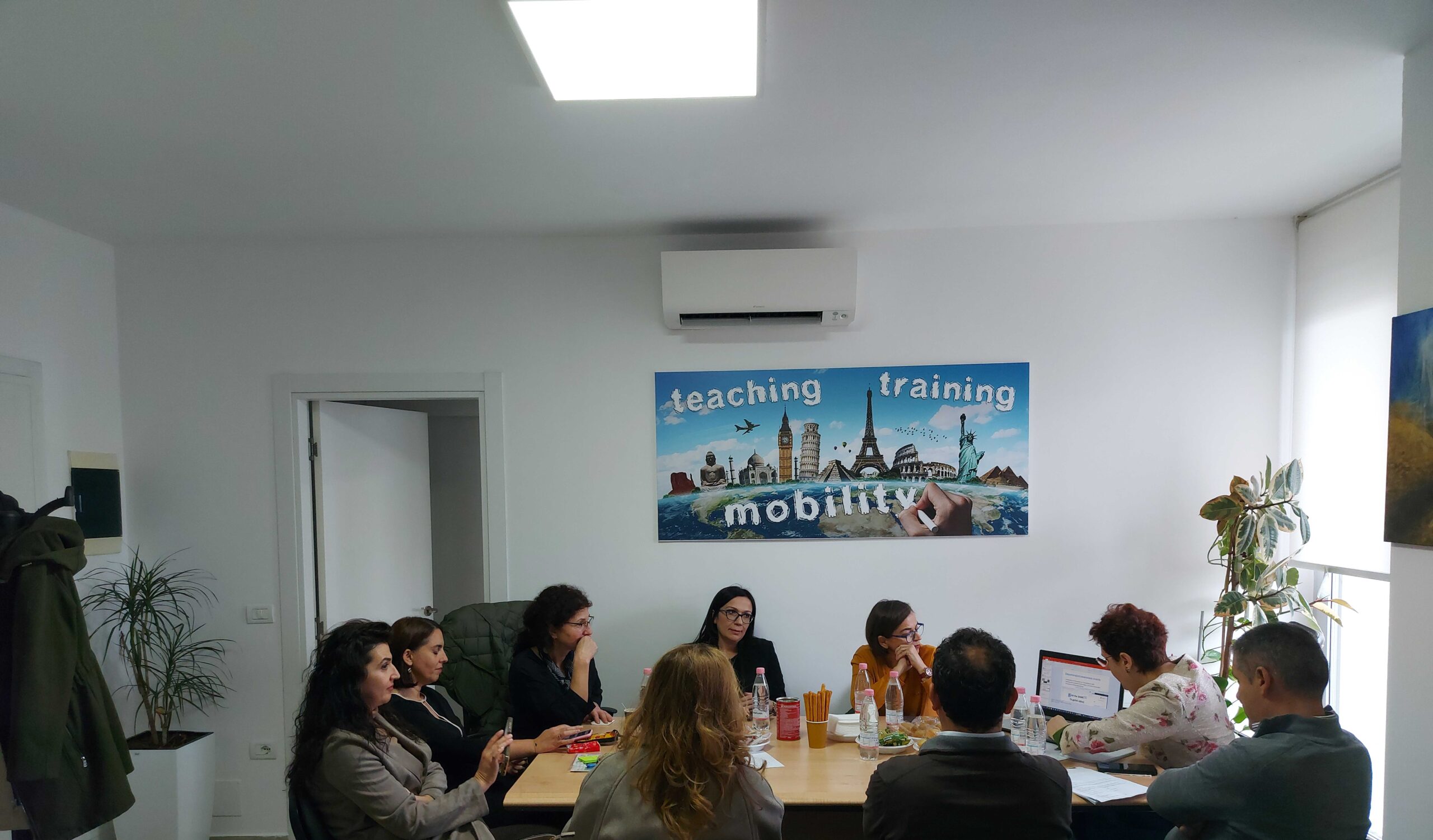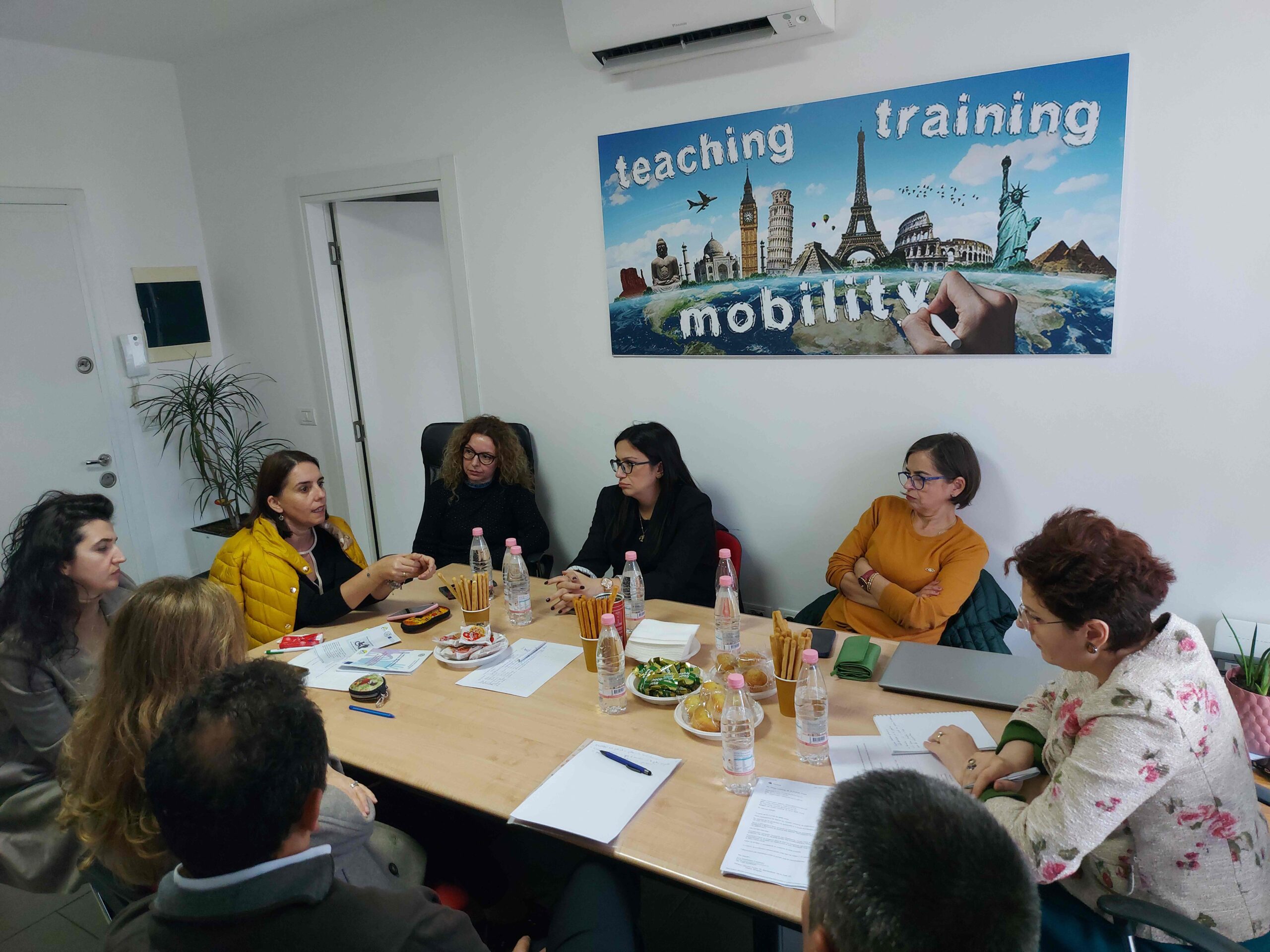
Cluster meeting on ‘Internationalization’, dt.11 October 2024.
Report on the Cluster Meeting Organized by the National Erasmus+ Office
Introduction
On October 11, a significant event took place at the premises of the National Erasmus+
Office. This event was a ‘Cluster Meeting’ aimed at discussing critical themes aligned
with the priorities of the Erasmus+ program and the strategic objectives set forth by the
Ministry of Education and Sports in Albania. The central theme for this year’s meeting
was “Internationalization and Challenges of Albanian Higher Education Institutions
(HEIs).”
Objectives of the Meeting
The primary objective of this meeting was to facilitate dialogue among stakeholders
involved in higher education, focusing on internationalization efforts and addressing
challenges faced by Albanian HEIs. The meeting served as a platform for sharing
experiences, best practices, and strategies for overcoming obstacles encountered
during project implementation.
Project Presentations
The coordinator of the ‘INTERBA’ project was tasked with preparing a presentation that
highlighted both achievements and challenges experienced throughout its
implementation. This presentation aimed to provide insights into how international
collaboration has contributed to enhancing educational quality and institutional capacity
within Albanian HEIs.
Additionally, other project partners were invited to deliver brief presentations detailing
their respective institutions’ experiences with project implementation. These
presentations included discussions on contributions made towards problem-solving
initiatives and achieving expected outcomes from their involvement in the Erasmus+
projects.
Key Themes Discussed
During the meeting, several key themes emerged:
1. Internationalization Strategies: Participants discussed various strategies
employed by different institutions to foster international partnerships and
enhance student mobility.
2. Challenges Faced: Common challenges identified included bureaucratic
hurdles, funding limitations, and varying levels of institutional readiness for
international collaboration.
3. Best Practices: Successful case studies were shared among participants,
showcasing innovative approaches adopted by certain institutions that led to
fruitful collaborations.
4. Future Directions: The need for continuous support from governmental bodies
and increased awareness about international opportunities available through
programs like Erasmus+ was emphasized as crucial for future success.
Conclusions
The Cluster Meeting organized by the National Erasmus+ Office proved to be an
invaluable opportunity for stakeholders in Albanian higher education to come together
and discuss pressing issues related to internationalization. The collaborative
environment fostered open dialogue about both successes and challenges faced during
project implementation.
Moving forward, it is essential that institutions continue to share knowledge and
resources while advocating for policies that support international engagement in higher
education. By addressing identified challenges collectively, Albanian HEIs can enhance
their global presence and improve educational outcomes for students.
In conclusion, this meeting not only reinforced existing partnerships but also laid
groundwork for future collaborations aimed at strengthening Albania’s position within the
European higher education landscape.
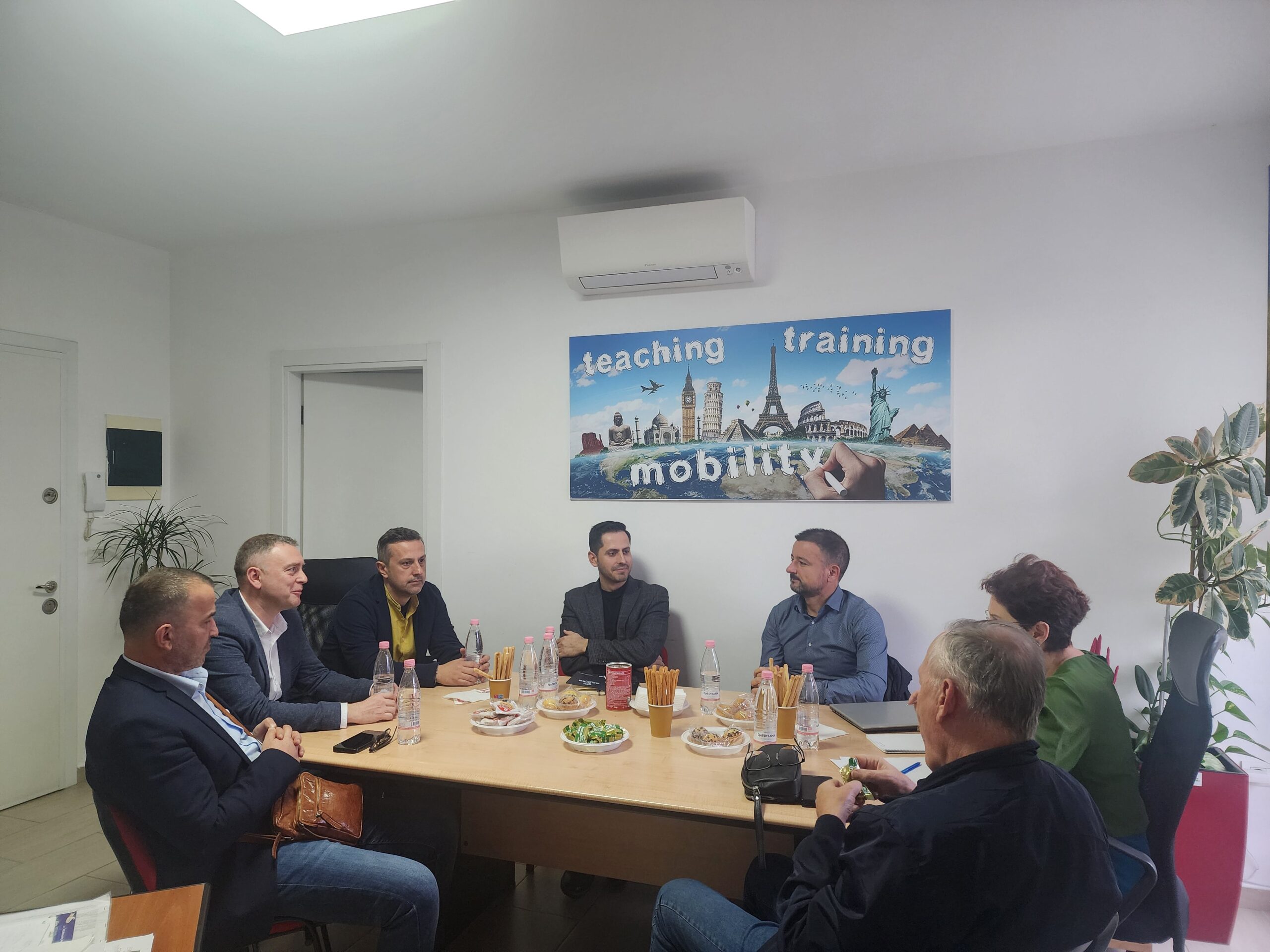
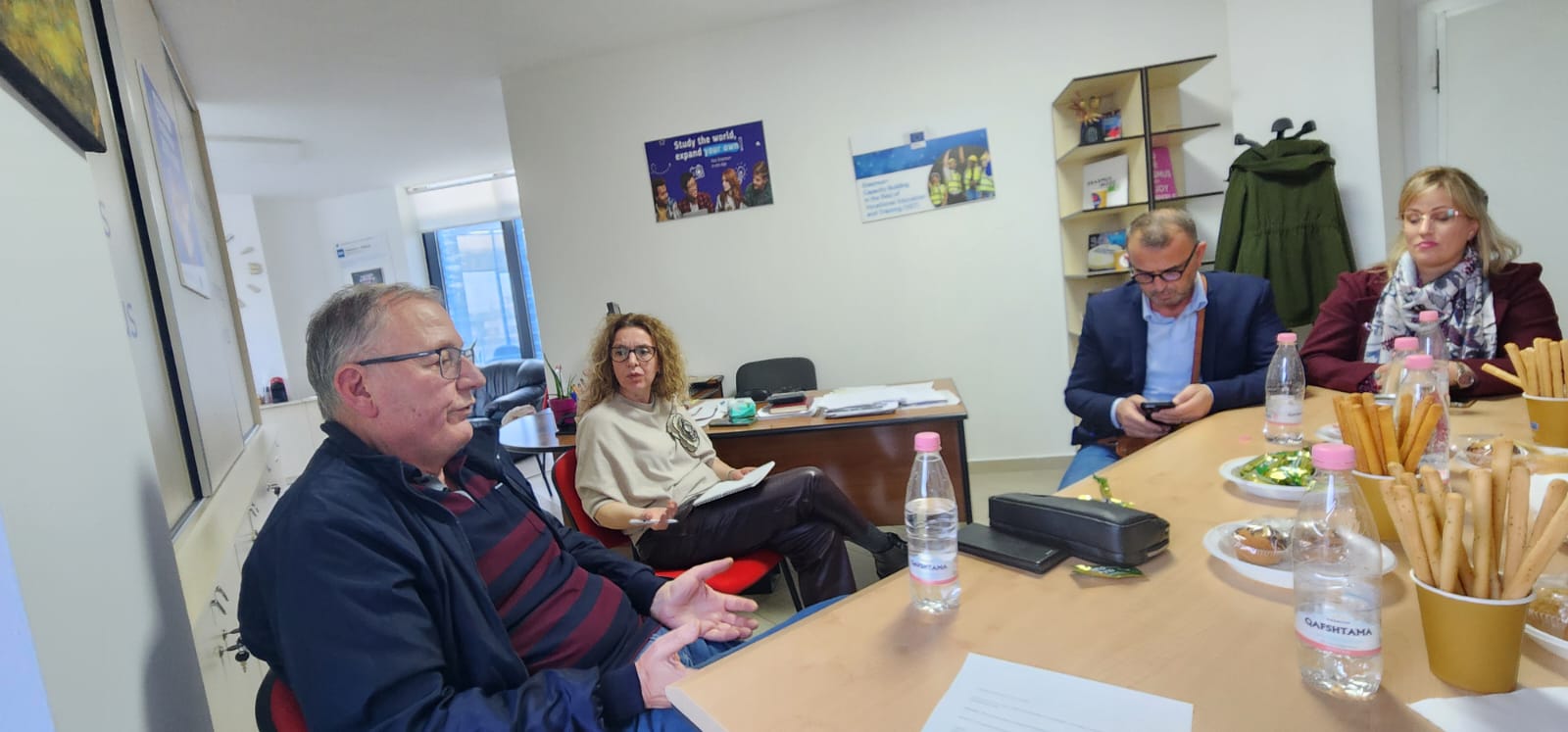
Cluster meeting on ‘Employment opportunities for graduates, particularly those with special needs’, dt. 14 November 2024
Report on the Cluster Meeting Organized by the National Erasmus+ Office
Introduction
On November 14, 2024, the National Erasmus+ Office successfully hosted a Cluster
Meeting. This event brought together various stakeholders involved in the Erasmus+
program to discuss critical themes related to improving employment opportunities for
graduates, particularly those with special needs. The meeting served as a platform for
sharing experiences, challenges, and strategies among project partners.
Theme of the Meeting
The theme for this year’s meeting was “Improving Employment for Graduates,
Especially Those with Special Needs.” This focus aligns with both the priorities of the
Erasmus+ program and the strategic objectives set by the Ministry of Education and
Sports. The discussion highlighted the importance of inclusivity in education and
employment, emphasizing that all graduates should have equitable access to job
opportunities regardless of their circumstances.
Presentations and Discussions
The project coordinator for ‘IDEA’ in Albania delivered a comprehensive presentation
that outlined various challenges encountered during the project’s implementation. Key
issues discussed included barriers faced by graduates with special needs in securing
employment, as well as systemic obstacles within educational institutions that hindered
effective support mechanisms. The presentation also showcased positive outcomes
achieved through targeted interventions aimed at enhancing employability skills among
these graduates.
In addition to the main presentation, partner institutions provided brief overviews of how
they implemented the project within their respective contexts. These presentations
highlighted collaborative efforts in addressing challenges and shared innovative
solutions that emerged during implementation. Partners discussed their contributions
towards creating supportive environments for graduates with special needs and
emphasized successful strategies that could be replicated across different institutions.
Conclusions
The Cluster Meeting proved to be an invaluable opportunity for stakeholders to engage
in meaningful dialogue about improving employment outcomes for graduates. The
emphasis on inclusivity not only reflects a commitment to social responsibility but also
underscores the necessity of collaboration among educational institutions, employers,
and policymakers.
Key takeaways from the event include:
1. Collaboration is Essential: Effective partnerships between educational
institutions and employers are crucial in creating pathways for graduates with
special needs.
2. Need for Tailored Support: There is a pressing need for tailored programs that
address specific barriers faced by these graduates, ensuring they receive
adequate training and support.
3. Sharing Best Practices: The exchange of experiences among partners fosters
innovation and allows institutions to learn from one another’s successes and
challenges.
Overall, this meeting reinforced the importance of ongoing efforts to enhance
employability among all graduates while promoting inclusivity within educational
frameworks. Moving forward, it is essential that these discussions continue to evolve
into actionable strategies that can lead to tangible improvements in employment
outcomes for vulnerable populations.